Culture
Types of ceremony
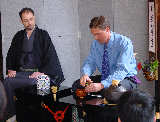
Two main schools, the Omotesenke and Urasenke, have evolved, each with its own prescribed rituals. There are also other, lesser-known schools. Currently,…
Culture
Two main schools, the Omotesenke and Urasenke, have evolved, each with its own prescribed rituals. There are also other, lesser-known schools. Currently,…
Culture
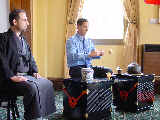
The Japanese tea ceremony (cha-no-yu, chado, or sado) is a traditional ritual influenced by Zen Buddhism in which powdered green tea, or matcha (抹茶), is…
Fashion
Australia's fashion industry is prostituting Japanese culture and tradition for profit. The fashion industry's misrepresentation of traditional Japanese…
Fashion
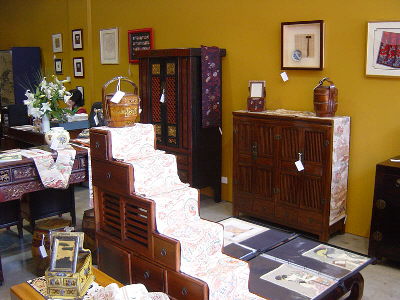
Oriental Artifacts is happy to announce the opening of their 1st shop in Toorak Village Melbourne: From Japan comes our biggest range of artifacts. We…
Culture
Japanese Lifestyle had an exclusive interview with Takuma Sato, F1 driver for British American Racing, while he was in Melbourne for the 2004 Melbourne…
Food
“Raumen” is the Japanese word that is translated to Chinese noodle soup. Originally it is from China and brought into Japan in the late 19 th century and…

Culture
“J-pop” means “the popular music among the youths in Japan”. This word began to be known all over the world since Japanese music industry became big…
Travel
The grounds of Ho ry uji (Ho ryu Temple) house the wor l d ’ s oldest surviving wooden structures, conveying images of Japan as it existed more than 1300…
Food
Scrumptious cakes from the popular Japanese pastry chef! Japanese cakes have a distinct style, even when based on an original European recipe. Japanese…
Travel
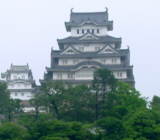
In 1992 Himeji Castle was recognised by UNESCO as a building of world significance and was added to the World Heritage list. Himeji Castle is an excellent…
Travel
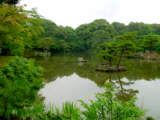
Kyoto is a city known for its history and culture. The Golden Pavilion is definitely a key highlight on a trip to Kyoto. The fabulous gardens surrounding…
Fashion
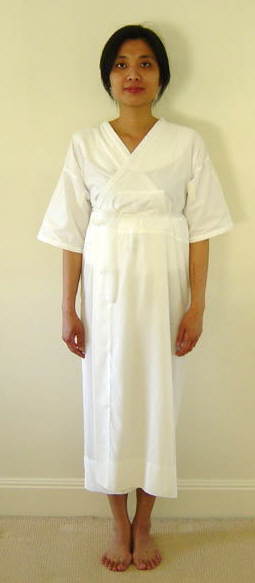
Hadajuban - Undergarment for kimono ‘Hadajuban’ is the first undergarment worn in the kimono attire. It is so named as it is worn next to the skin. Note…